The Ultimate Geranium Care Guide: Planting, Growing, and Thriving
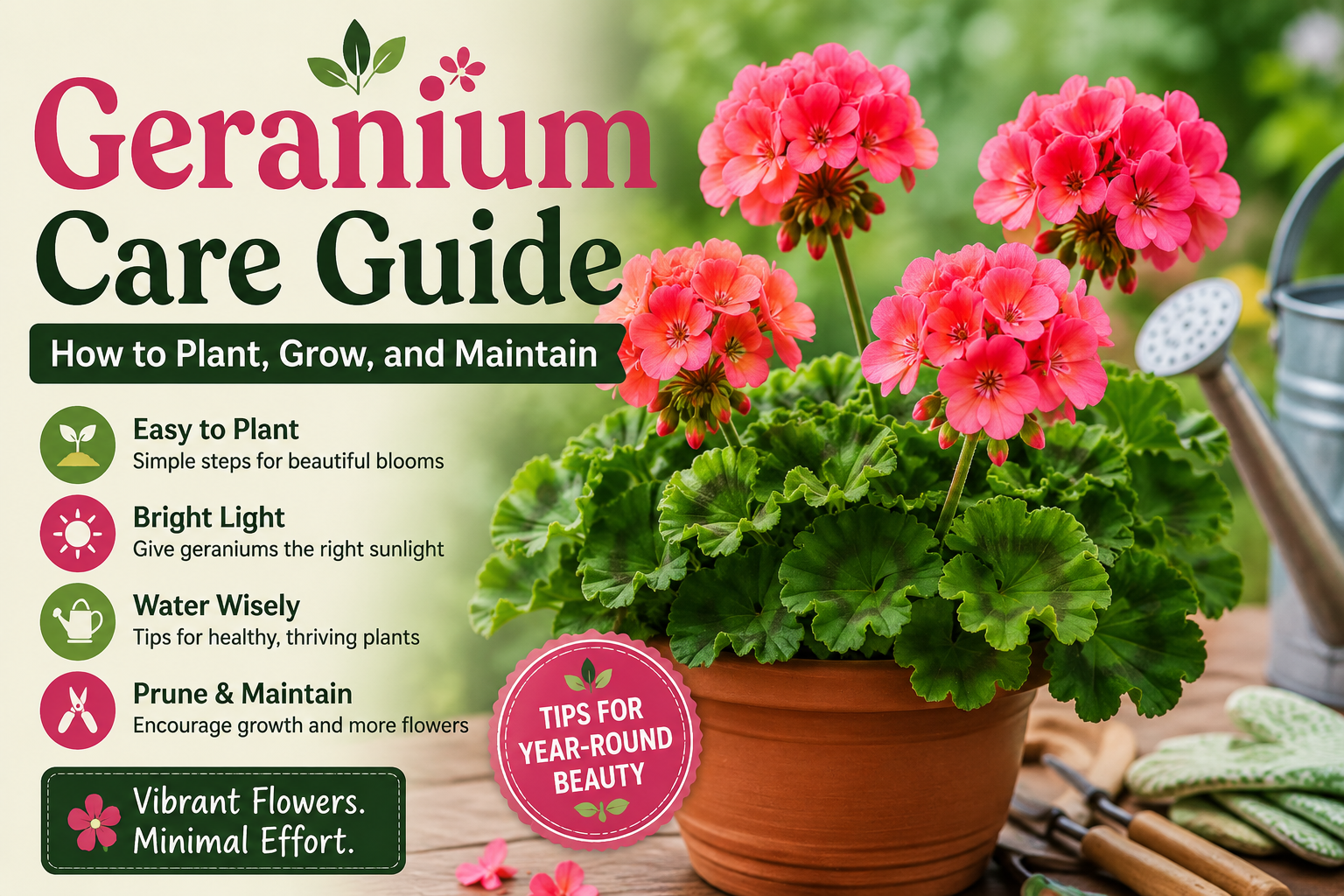
The geranium is a beloved mainstay of gardens and window boxes worldwide, prized for its vibrant, clustered blooms and fragrant foliage. Whether you are a novice gardener or a seasoned horticulturist, understanding the specific needs of your geranium is the key to unlocking a spectacular display of color that lasts from spring until the first frost. This comprehensive guide will provide you with everything you need to know to successfully plant, grow, and maintain a healthy geranium, ensuring it becomes a highlight of your outdoor space.
Understanding Your Geranium: Annual vs. Perennial
One of the first and most common points of confusion is the classification of the geranium. This distinction is crucial for understanding its lifecycle and care requirements.
True Geraniums (Perennial)
Also known as cranesbills, these are hardy, perennial plants that return year after year. They are cold-tolerant and are often used as ground cover in borders and rock gardens. They typically have a more delicate, sprawling habit and produce flowers in shades of blue, purple, pink, and white.
Pelargoniums (Annual)
The most common plant you will find at your local nursery, often called a “geranium,” is actually a Pelargonium (usually Pelargonium x hortorum). These are tender perennials grown as annuals in most climates. They are known for their large, ball-shaped flower clusters, thick stems, and bright green, rounded leaves. They are not frost-hardy and will need to be overwintered indoors in colder zones. This guide focuses primarily on this popular group, as they are the most common “geranium” for container gardening and bedding.
Choosing the Right Geranium for Your Garden
Selecting the right type of geranium for your specific needs is the first step to success. Here’s a breakdown of the most popular varieties:
| Variety | Key Characteristics | Best Use |
|---|---|---|
| Zonal Geraniums | Most common; have distinct, dark “zones” on their leaves. Upright growth with large flower heads in red, pink, white, orange, or bi-colors. | Bedding plants, large containers, window boxes. |
| Ivy-Leaf Geraniums | Trailing stems with waxy, ivy-shaped leaves. Prolific bloomers with a cascading habit. | Hanging baskets, window boxes, and retaining walls. |
| Scented-Leaf Geraniums | Grown for their fragrant foliage (rose, lemon, mint, chocolate). Have small, delicate flowers. | Containers, herb gardens, and as natural insect repellents. |
| Regal (Martha Washington) | Large, orchid-like flowers in rich purples, pinks, and whites with dark, velvety blotches. More difficult to grow and bloom. | Indoor pots or outdoor in cool, dappled shade. |
Essential Geranium Growing Conditions
To create a thriving environment for your geranium, you must replicate its native conditions as closely as possible. These plants originate from South Africa and are naturally adapted to warm, sunny, and dry climates.
Light Requirements
A geranium absolutely thrives in full sun. For the best flowering, aim for at least 6-8 hours of direct sunlight per day. In extremely hot climates, some afternoon shade can be beneficial to protect the plant from scorching. When planted in too much shade, you will find that the plant becomes “leggy,” with fewer flowers, and its stems will grow long and weak as it stretches toward the light.
Soil Preferences
Well-draining soil is non-negotiable for a healthy geranium. They are highly susceptible to root rot, so heavy, clay-rich soils that hold moisture are a death sentence. The ideal soil is a loamy or sandy soil mix that drains quickly. When planting in containers, always use a high-quality, peat-based potting mix, and ensure the pot has adequate drainage holes. Adding a handful of perlite or coarse sand can further improve drainage.
Temperature and Humidity
A geranium prefers average to warm temperatures between 65°F and 75°F (18°C to 24°C) during the day. They do not tolerate frost. High humidity can also be problematic, leading to fungal diseases and rot. Good air circulation around the plant is essential, especially if you are growing them in a greenhouse or indoors.
The Art of Watering a Geranium
This is arguably the most critical aspect of geranium care, and a common area where many gardeners make mistakes. The rule of thumb is to water deeply but infrequently. Let the soil dry out completely between waterings.
- Test the Soil: Before watering, stick your finger about an inch into the soil. If it feels dry, it’s time to water. If it feels damp, wait another day or two.
- Signs of Overwatering: Yellowing leaves (especially the lower ones), wilting stems that are soft and mushy, and a general lack of vigor.
- Signs of Underwatering: Leaves that turn brown and crisp at the edges, and drooping stems.
The best practice is to water your geranium thoroughly until water runs out of the drainage holes, and then empty the saucer to prevent the plant from sitting in water.
Fertilizing for Maximum Blooms
A geranium is a heavy feeder during its active growing season. To encourage a continuous display of those colorful flower clusters, you need to provide it with the right nutrients.
| Nutrient | Function | Source |
|---|---|---|
| Nitrogen (N) | Promotes healthy leaf and stem growth. | Fish emulsion, compost. |
| Phosphorus (P) | Essential for root development and flower production. | Bone meal, bloom-boosting fertilizers. |
| Potassium (K) | Aids in overall plant health and disease resistance. | Wood ash, potash fertilizers. |
Expert Tip: For the best results, use a fertilizer formulated for flowering plants, with a higher middle number (phosphorus), such as a 10-20-10 mix. Dilute the fertilizer to half strength and apply it every 2-4 weeks from early spring to late summer. Stop fertilizing in the fall to allow the plant to prepare for dormancy.
The Importance of Pruning and Deadheading
Regular pruning and deadheading are essential maintenance tasks for your geranium. They encourage the plant to direct its energy into producing more blooms instead of setting seed or growing spindly.
Deadheading
Once a flower spike has finished blooming, pinch or cut the entire stem off at its base, where it meets the main branch. This will keep the plant looking tidy and encourage a second flush of flowers.
Pruning
In the spring, or when bringing your plant indoors for the winter, give it a hard prune. Cut back the stems by about a third to a half. This will create a bushier, more compact plant.
Expert Tip: Regularly pinch back the growing tips of your geranium stems to encourage branching. A simple pinch with your thumb and forefinger will remove the top set of leaves, forcing the plant to grow two new stems from the leaf nodes below.
Common Geranium Problems and Solutions
Even the most well-cared-for geranium can occasionally experience problems. Here is a quick guide to diagnosing and treating common issues:
| Problem | Symptoms | Cause | Solution |
|---|---|---|---|
| Powdery Mildew | White, powdery spots on leaves. | High humidity, poor air circulation, or overwatering. | Improve air circulation; apply a fungicide; water early in the day. |
| Root Rot (Botrytis) | Wilting, yellowing leaves; black, mushy stems. | Overwatering, poor drainage. | Stop watering; repot in dry, well-draining soil; remove affected parts. |
| Aphids | Small, green/brown insects on new growth and buds. | General infestation. | Spray with insecticidal soap or a strong jet of water. |
| Bud Drop | Flower buds turn brown and fall off before opening. | Inconsistent watering, extreme temperature fluctuations, or lack of light. | Maintain consistent care; move to a more stable environment. |
Overwintering Your Geranium
Since a geranium is not frost-hardy, you have a few options to keep it alive through the winter in colder climates.
1. Bring Indoors as a Houseplant
This is the most common method. Dig up the plant before the first frost, pot it up, and cut it back by about half. Place it in a sunny, south-facing window. Water sparingly, only when the soil is dry to the touch.
2. Store in a Dormant State
This is a tried-and-true method for conserving space. After the first frost, cut the plant back to about 6 inches. Remove the plant from the soil and gently shake off the dirt from the roots. Place the bare-root plant in a paper bag or cardboard box and store it in a cool, dark, and dry place, such as a basement or garage, where temperatures remain around 45-50°F. In early spring, repot the plant, water it, and place it in a sunny window to encourage new growth.
3. Take Cuttings
Instead of saving the whole plant, you can take 4-6 inch cuttings from the tips of the healthiest branches. Remove the lower leaves, dip the cut end in rooting hormone, and plant them in a pot with moist potting mix. Place them in a warm, bright spot. This is a great way to “start fresh” with new, vigorous plants for next year’s garden.
The Ultimate Guide to Coleus Plant Care: Vibrant Foliage Made Easy
Expert Tips for a Prolific Geranium
To truly master the care of your geranium, incorporate these expert recommendations into your routine:
- Rotate for Even Growth: If your plant is in a container, rotate it by a quarter turn every week. This ensures that all sides of the plant receive equal sunlight, promoting uniform growth and preventing it from leaning toward the light source.
- Pinch for Bushiness: From a young age, regularly pinch the growing tips. This is the secret to a full, bushy plant that does not become leggy.
- Monitor for Pests: The geranium is a magnet for a few specific pests. Keep an eye out for common pests like aphids and spider mites. In some areas, the tobacco budworm can be a problem, as they feed on the flower buds. A weekly inspection can help you catch an infestation early.
- Use of Scented Geraniums: Consider planting scented-leaf geraniums near seating areas or walkways. Their fragrance is not only pleasant but is also known to repel some common garden pests like mosquitoes and whiteflies.
Frequently Asked Questions
1. How often should I water a geranium?
Water your geranium deeply only when the top inch of soil is completely dry to the touch. This typically means watering once a week, but it may be more frequent in hot, dry weather and less often in cooler conditions. Overwatering is a common mistake, so always err on the side of underwatering.
2. Can geraniums survive winter?
A true hardy geranium can survive winter outdoors. However, the common pelargonium is a tender perennial and cannot survive freezing temperatures. You must bring it indoors, store it in a dormant state, or take cuttings to keep it alive through the winter.
3. How much sun does a geranium need?
A geranium needs at least 6-8 hours of full sun per day to bloom its best. In very hot climates, it appreciates some afternoon shade to protect its leaves from scorching.
4. How do you make geraniums bloom more?
To maximize blooms, ensure the plant receives enough sunlight, fertilize it regularly with a phosphorus-rich fertilizer (like a 10-20-10), and keep it in a slightly root-bound pot. More importantly, deadhead (remove) spent flowers to encourage the plant to produce more.
5. Why are my geranium leaves turning yellow?
Yellowing leaves on a geranium are most often a sign of overwatering. Check the soil moisture. If it’s wet, stop watering and allow it to dry out. It can also be caused by a nitrogen deficiency or, in some cases, cold drafts or extreme temperature changes.
6. Can I propagate a geranium from a cutting?
Yes, geraniums are very easy to propagate from stem cuttings. Take a 4-6 inch cutting, remove the lower leaves, dip the cut end in rooting hormone, and plant it in a moist potting mix. Keep it in a warm, bright spot out of direct sunlight, and it should root in a few weeks.
7. Is the geranium an annual or a perennial?
The answer is both. True geraniums (Cranesbills) are hardy perennials. The common bedding plant, Pelargonium, is a tender perennial grown as an annual in most climates because it dies with the first frost.
8. How big do geraniums get?
Most geraniums grow to be between 8 to 24 inches in height and width, depending on the variety. Some trailing ivy-leaf types can spread up to 3 feet or more in a hanging basket.
Conclusion
The geranium is a resilient and rewarding plant that offers a spectacular payoff for relatively simple care. By understanding its preference for full sun, dry conditions, and regular feeding, you can create an environment where it thrives. Remember the golden rules: water infrequently but deeply, keep it in well-draining soil, deadhead spent blooms, and protect it from frost. With this knowledge, you are well-equipped to enjoy a flourishing display of geraniums that will add vibrancy and charm to your home and garden for many seasons to come.