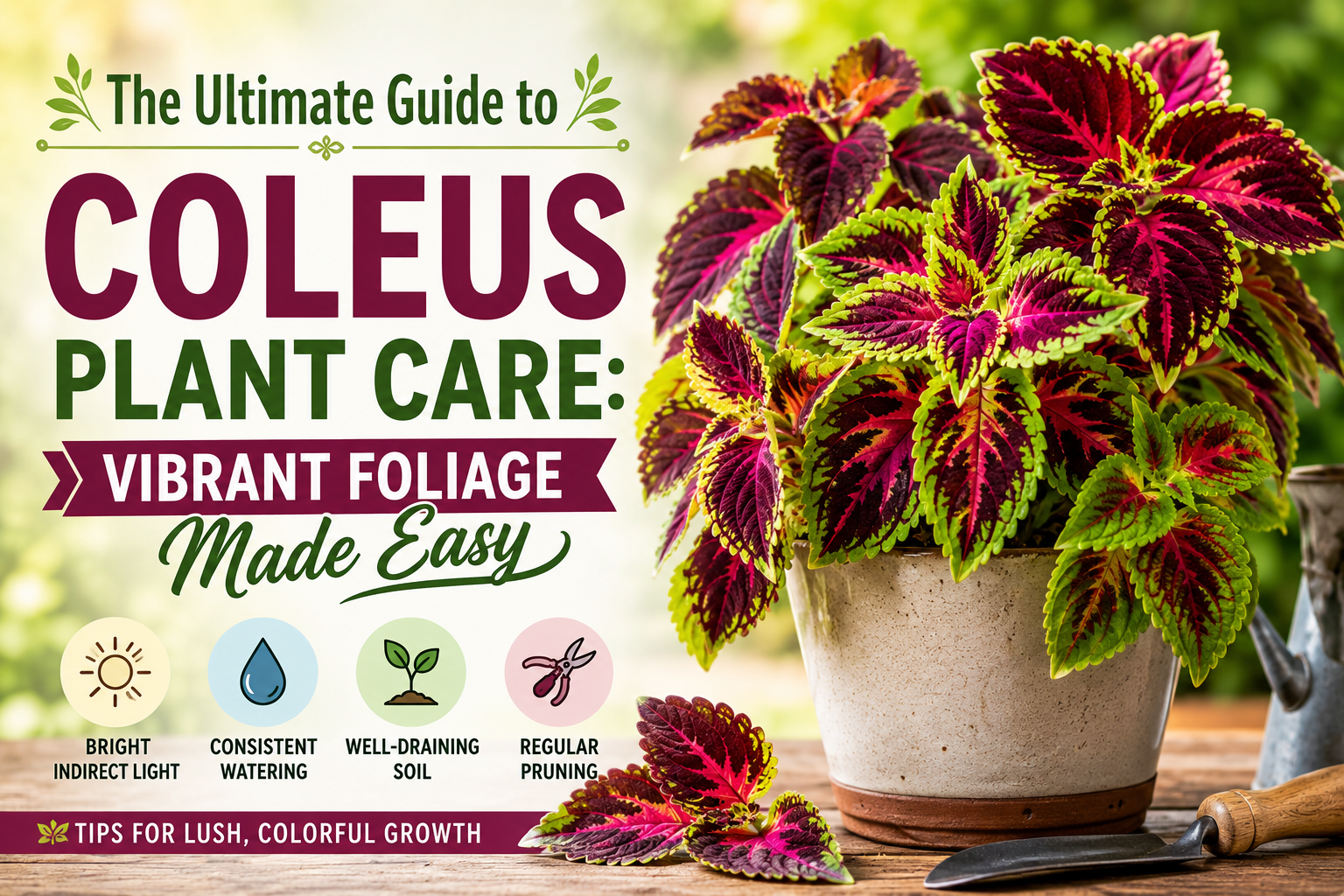
Coleus plants have taken the gardening world by storm, and for good reason. These stunning foliage plants offer an explosion of color that rivals any flower, with leaves in shades of chartreuse, deep burgundy, bright pink, and even near-black. Whether you’re a seasoned gardener or just starting your plant journey, coleus plant care is surprisingly straightforward once you understand the basics.
What makes coleus so special? Unlike many flowering plants that bloom for a few weeks and fade, coleus delivers consistent, eye-catching color from spring through fall. With proper coleus plant care, you can enjoy these vibrant leaves both indoors as houseplants and outdoors in your garden beds and containers.
Let’s dive into everything you need to know about keeping your coleus thriving, from lighting and watering to propagation and troubleshooting common problems.
Understanding Coleus: A Plant of Many Colors
Before we get into the nuts and bolts of coleus plant care, it helps to understand what makes these plants tick. Coleus (Plectranthus scutellarioides, formerly Solenostemon scutellarioides) belongs to the mint family, which explains their square stems and relatively easy propagation habits.
Modern coleus varieties offer incredible diversity. You’ll find plants with:
- Velvety textures that feel almost plush to the touch
- Intricate patterns including splashes, splotches, and veining
- Serrated or scalloped leaf edges that add visual interest
- Compact growth habits perfect for containers
- Trailing varieties ideal for hanging baskets
The color palette is equally impressive. Some varieties shift color based on light exposure, while others maintain their signature hues regardless of conditions.
Light Requirements: Finding the Sweet Spot
Light is perhaps the most critical factor in coleus plant care. Get this wrong, and your plant’s colors will suffer.
Indoor Coleus Care
For indoor coleus, bright, indirect light produces the best results. A north or east-facing window often provides ideal conditions. Here’s what you need to know:
- Low light: Colors become muted, and plants may stretch toward light sources (etiolation)
- Bright indirect light: Rich, vibrant colors with compact growth
- Direct afternoon sun: Can scorch leaves, especially on lighter-colored varieties
Expert Tip: If your coleus looks leggy and pale, it’s begging for more light. Move it gradually to prevent shock, and consider supplementing with grow lights during darker months.
Outdoor Coleus Care
The old rule of thumb was that coleus preferred shade, but breeders have developed sun-tolerant varieties that thrive in full sun. This has revolutionized coleus plant care for outdoor gardeners.
| Location | Light Exposure | Recommended Varieties |
|---|---|---|
| Full Shade | 0-4 hours morning sun | ‘Wizard’ series, ‘Kong’ series |
| Partial Shade | 4-6 hours morning sun | Most standard varieties |
| Full Sun | 6+ hours direct sun | ‘ColorBlaze’ series, ‘Main Street’ series |
Actionable Tip: When planting in sunnier spots, ensure your coleus receives consistent moisture, as sun exposure increases water needs significantly.
Watering: Keeping Your Coleus Happy
Proper watering is the second pillar of successful coleus plant care. Coleus plants are relatively thirsty but hate sitting in waterlogged soil.
The Goldilocks Approach
Aim for consistently moist but not soggy soil. Here’s how to achieve this balance:
- Check soil moisture by inserting your finger about an inch into the soil
- Water thoroughly when the top inch feels dry to the touch
- Allow excess water to drain – never let pots sit in standing water
- Reduce watering in winter when growth slows
Signs of Watering Issues
| Problem | Symptoms | Solution |
|---|---|---|
| Overwatering | Yellowing lower leaves, wilting despite wet soil, root rot | Improve drainage, reduce frequency, check root health |
| Underwatering | Drooping stems, dry crispy leaf edges, soil pulling away from pot edges | Water thoroughly, consider more frequent watering in heat |
| Inconsistent Watering | Brown spots, leaf drop, stunted growth | Establish regular watering schedule |
Expert Insight: During hot summer months, outdoor coleus in containers may need daily watering. I’ve found that adding a layer of mulch helps retain moisture and keeps roots cool.
Soil and Potting: Creating the Perfect Environment
The right growing medium makes coleus plant care significantly easier. These adaptable plants aren’t overly fussy but perform best in specific conditions.
Ideal Soil Composition
- Well-draining potting mix is essential
- Slightly acidic to neutral pH (6.0-7.0)
- Rich in organic matter for nutrient retention
- Light and fluffy texture for proper aeration
DIY Potting Mix Recipe
For optimal coleus plant care, mix:
- 2 parts high-quality potting soil
- 1 part perlite for drainage
- 1 part compost or worm castings for nutrition
Container Selection
When choosing pots for coleus plant care:
- Ensure adequate drainage holes – this is non-negotiable
- Select containers slightly larger than the root ball
- Consider fabric pots for outdoor growing – they prevent root circling
Fertilizing: Fueling Vibrant Growth
Proper nutrition supports robust growth and vibrant colors. While coleus aren’t heavy feeders, regular fertilization during active growth seasons yields noticeable benefits.
Ficus Tree: Complete Care Guide, Types, Benefits & Growing Tips
Fertilization Schedule
| Season | Frequency | Type |
|---|---|---|
| Spring (active growth) | Every 2 weeks | Balanced liquid fertilizer (10-10-10) |
| Summer (active growth) | Every 2 weeks | Balanced liquid fertilizer |
| Fall (slowing growth) | Monthly | Half-strength fertilizer |
| Winter (dormant) | None | Water only |
Actionable Tip: When fertilizing container-grown coleus, remember that nutrients leach out faster with frequent watering. Regular, dilute feeding produces the best results.
Organic Alternatives
For those preferring organic coleus plant care:
- Compost tea applied monthly
- Fish emulsion (diluted) during growing season
- Worm castings mixed into soil at planting time
Pruning and Maintenance: Encouraging Bushy Growth
Regular pruning transforms coleus plant care from simple survival to spectacular display. Don’t be shy about cutting back your plants – they respond with lush, compact growth.
Pinching Techniques
Pinching is the most important maintenance task for coleus:
- Pinch growing tips when plants reach 6-8 inches tall
- Remove flower spikes as they appear (unless you want seeds)
- Cut back leggy stems to encourage branching
- Regular harvesting of cuttings for propagation
Expert Tip: I’ve found that consistently pinching coleus during the first 6-8 weeks of growth creates plants that are twice as full and vibrant as those left unpruned.
Seasonal Maintenance
| Time | Tasks |
|---|---|
| Spring | Pinch tips, repot if needed, begin fertilizing |
| Summer | Regular pinching, deadheading flowers, monitor water |
| Fall | Reduce fertilization, take cuttings for winter |
| Winter | Keep indoor plants tidy, minimal pruning |
Propagation: Multiplying Your Collection
Learning to propagate coleus is one of the most rewarding aspects of coleus plant care. These plants root with remarkable ease, allowing you to expand your collection or share with friends.
Water Propagation
The simplest method for beginners:
- Take 4-6 inch cuttings from healthy stems
- Remove lower leaves to prevent rot
- Place in clean water (change every 3-4 days)
- Expect roots in 7-14 days
- Transplant to soil when roots reach 1-2 inches
Soil Propagation
Higher success rate for transplanting:
- Dip cutting in rooting hormone (optional but helpful)
- Plant in moist seed-starting mix
- Cover with plastic bag to maintain humidity
- Keep in bright indirect light
- Remove covering once new growth appears
Common Coleus Problems: Identification and Solutions
Even with excellent coleus plant care, issues can arise. Here’s how to spot and solve common problems.
Pests
| Pest | Signs | Solution |
|---|---|---|
| Aphids | Sticky residue, distorted new growth | Neem oil, insecticidal soap |
| Mealybugs | White cottony masses on stems and leaf joints | Rubbing alcohol on cotton swab |
| Spider Mites | Fine webbing, stippled leaves | Increase humidity, insecticidal soap |
| Fungus Gnats | Tiny flies around soil | Allow soil to dry between waterings |
Diseases
| Disease | Symptoms | Prevention |
|---|---|---|
| Downy Mildew | Yellow patches, fuzzy underside | Good air circulation, avoid overhead watering |
| Root Rot | Wilting, yellowing, mushy stems | Well-draining soil, proper watering habits |
| Powdery Mildew | White powdery coating on leaves | Proper spacing, fungicidal spray if severe |
Overwintering: Keeping Your Coleus Year After Year
While coleus are tender perennials, cold weather signals the end for outdoor plants. However, with proper coleus plant care, you can enjoy these beauties year after year.
Indoor Options
Option 1: Bring Plants Inside
- Dig up before first frost
- Acclimate gradually to indoor conditions
- Place in bright, indirect light
- Reduce watering and stop fertilizing
Option 2: Take Cuttings
- Take numerous cuttings before frost
- Root them indoors
- Keep as small, compact plants
- Plant outdoors after spring frost
Option 3: Overwinter Dormant
- Allow foliage to die back
- Store in cool (55-60°F), dark place
- Water sparingly monthly
- Bring out in spring
Common Winter Problems
| Problem | Cause | Solution |
|---|---|---|
| Leggy growth | Insufficient light | Supplement with grow lights |
| Yellowing leaves | Overwatering in low light | Reduce watering frequency |
| Pest infestations | Dry indoor conditions | Regular inspection, increased humidity |
Expert Tips for Exceptional Coleus Plant Care
Drawing from years of growing experience, here are my top recommendations for coleus plant care success:
- Group coleus together to create microclimates of higher humidity
- Rotate containers regularly to prevent plants from leaning toward light
- Use dark-colored pots outdoors to help warm soil in spring
- Mix different coleus varieties in containers for stunning color combinations
- Save seeds from unique plants (though they may not come true to type)
- Water in the morning to prevent fungal diseases
- Always use fresh potting soil when repotting to prevent pathogen buildup
Coleus Varieties: Choosing the Right Plant
Part of successful coleus plant care involves selecting varieties suited to your growing conditions. Here’s a sampling of popular types:
| Variety | Light Preference | Height | Leaf Characteristics |
|---|---|---|---|
| ‘ColorBlaze Golden Dreams’ | Sun to shade | 30-40 inches | Golden chartreuse with red veins |
| ‘Wizard Velvet Red’ | Shade | 12-18 inches | Deep burgundy with red center |
| ‘Kong Red’ | Shade | 18-24 inches | Large velvety red leaves |
| ‘Main Street Rodeo Drive’ | Sun | 24-36 inches | Glossy burgundy with pink edges |
| ‘Chocolate Mint’ | Part shade | 20-24 inches | Green with chocolate centers |
| ‘Fairway’ series | Sun to shade | 14-18 inches | Compact, mounding habit |
Frequently Asked Questions About Coleus Plant Care
Q: Can coleus grow in full sun?
Yes! Many modern varieties like the ‘ColorBlaze’ and ‘Main Street’ series thrive in full sun. However, these sun-tolerant varieties still need adequate moisture. For best results with coleus plant care, match your variety to your light conditions.
Q: How often should I water my coleus?
Water coleus when the top inch of soil feels dry. In hot weather, outdoor container plants may need daily watering, while indoor plants in cooler conditions might go 5-7 days between watering. Always check soil moisture before watering rather than following a strict schedule.
Q: Why is my coleus losing its color?
Color loss typically indicates insufficient light for that particular variety. However, some sun-tolerant varieties actually become more vibrant in brighter conditions. Move your plant to a brighter location and observe improvements within 1-2 weeks.
Q: Can coleus grow indoors year-round?
Absolutely. Coleus make excellent houseplants when provided with bright, indirect light and consistent moisture. Indoor coleus plant care during winter requires reducing water and fertilizer while maintaining adequate humidity.
Q: Should I let my coleus flower?
You can, but most gardeners pinch off flower spikes because they redirect energy away from leaf production. The blooms are small and unremarkable, so sacrificing them for better foliage is recommended. If you want to collect seeds, allow some plants to flower.
Q: How do I keep my coleus bushy?
Regular pinching is the key to bushiness. Pinch growing tips when your plant reaches 4-6 inches tall, and continue pinching throughout the growing season. This encourages branching and creates a full, compact plant.
Q: Why are my coleus leaves curling?
Curling leaves often indicate stress, usually from temperature extremes, inconsistent watering, or pest issues. Check for spider mites (common culprits) and ensure your watering routine is consistent. Leaf curling can also occur when temperatures drop below 60°F.
Q: Can coleus survive winter outdoors?
Coleus are hardy only in USDA zones 10-11. In most regions, they cannot survive frost. Bring plants indoors or take cuttings in fall to enjoy them the following spring. For northern gardeners, treating coleus as annuals or overwintering them indoors is standard practice.
Q: How big do coleus plants get?
Coleus size varies dramatically by variety. Some compact types stay under 12 inches, while vigorous sun-tolerant varieties can reach 36-40 inches tall and wide. Container size and growing conditions also influence ultimate size.
Q: What are the best companion plants for coleus?
Coleus pairs beautifully with other shade-loving foliage plants. Try combining with Caladiums, hostas, ferns, and begonias. For sunnier spots, pair with flowering plants like vinca, zinnias, or marigolds to create color contrast.
Conclusion
Coleus plant care doesn’t have to be complicated. By understanding these plants’ basic needs – proper light, consistent moisture, regular pinching, and seasonal adjustments – you can enjoy spectacular foliage displays both indoors and out. These versatile plants reward even modest attention with months of vibrant color.
The beauty of coleus lies in their adaptability. Whether you’re growing them as houseplants on a bright windowsill, filling containers on a sunny patio, or creating dramatic garden borders, coleus delivers reliable performance and stunning visual impact.
Remember that successful coleus plant care starts with choosing the right variety for your conditions. Sun-loving types like the ‘ColorBlaze’ series offer flexibility, while shade-preferring varieties like the ‘Kong’ series excel in shadier spots. Your plants will tell you what they need – pay attention to color intensity, growth rate, and leaf condition.
Ready to start your coleus journey? Visit your local garden center and select a few varieties that catch your eye. With the knowledge you’ve gained here, you’re well-equipped to keep them thriving. And don’t forget to share cuttings with friends – after all, the best gardeners always have extras to share.