Compost Bin
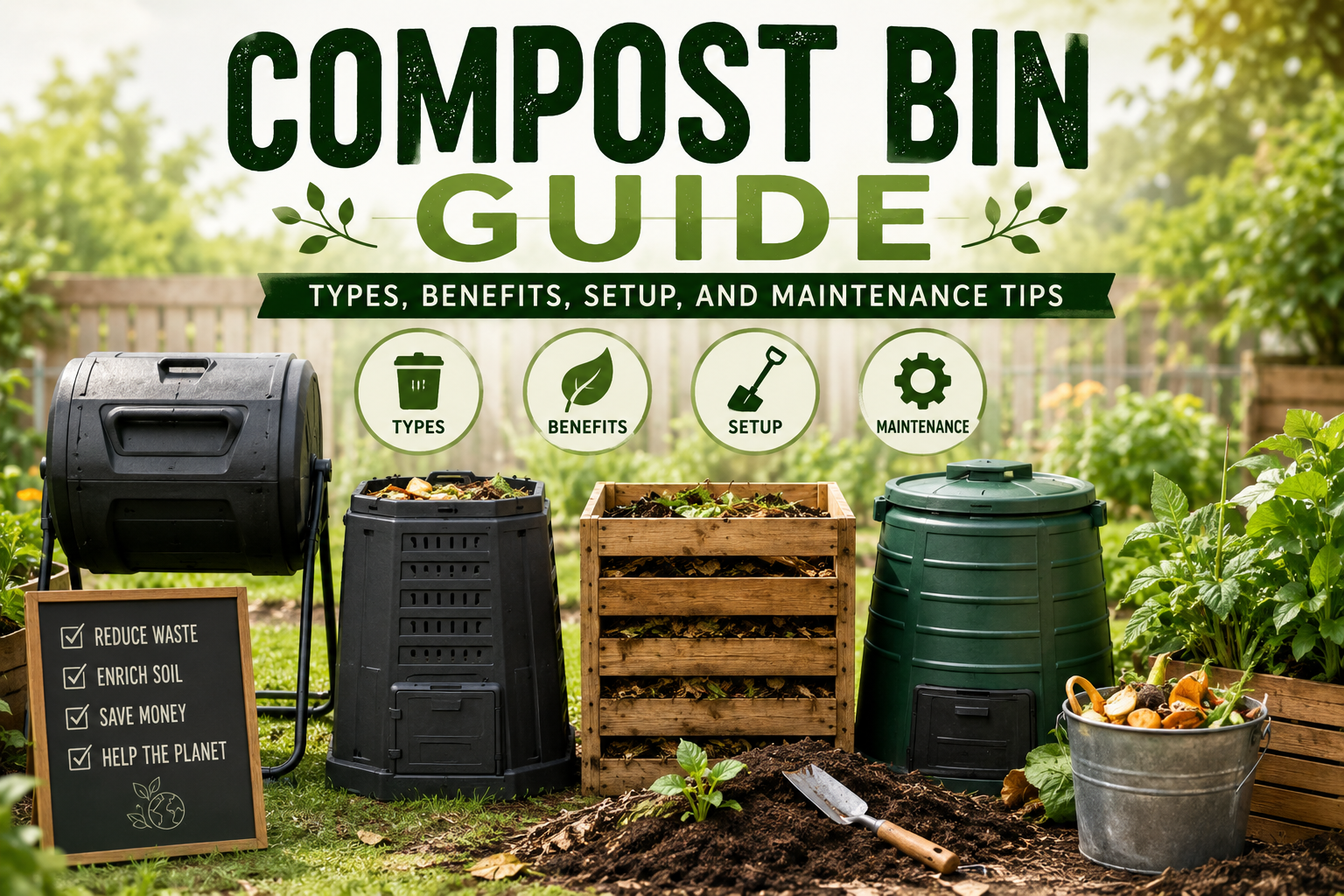
A compost bin is a container designed to turn organic waste such as food scraps, leaves, and yard trimmings into nutrient-rich compost. By creating the right environment for microorganisms to break down organic matter, a compost bin helps reduce household waste while producing a valuable soil amendment for gardens, lawns, and plants.
Whether you have a large backyard or a small apartment, choosing the right compost bin can make composting easier, cleaner, and more effective. Understanding how compost bins work, which type fits your needs, and how to maintain them properly can help you create high-quality compost with minimal effort.
What Is a Compost Bin and How Does It Work?
A compost bin provides a controlled environment where organic materials decompose naturally. Microorganisms, fungi, insects, and beneficial bacteria break down organic matter into dark, crumbly compost that resembles rich soil.
The composting process requires four key elements:
| Element | Purpose |
|---|---|
| Carbon-rich materials (Browns) | Provide energy for microbes |
| Nitrogen-rich materials (Greens) | Support microbial growth |
| Moisture | Helps decomposition occur |
| Oxygen | Prevents odors and speeds composting |
Common brown materials include dry leaves, cardboard, paper, and straw. Green materials include fruit scraps, vegetable peels, coffee grounds, and grass clippings.
Benefits of Using a Compost Bin
Using a compost bin offers environmental, gardening, and financial advantages.
| Benefit | Description |
|---|---|
| Reduces waste | Keeps organic materials out of landfills |
| Improves soil | Adds nutrients and organic matter |
| Conserves water | Compost improves moisture retention |
| Reduces fertilizer use | Provides natural plant nutrition |
| Supports beneficial microbes | Encourages healthy soil biology |
| Lowers carbon footprint | Reduces methane emissions from landfills |
Why Compost Matters
Organic waste can account for a significant portion of household trash. Composting transforms this waste into a useful resource rather than sending it to a landfill.
Types of Compost Bin
Different compost bin designs suit different spaces, budgets, and composting goals.
Open Compost Bin
An open compost bin consists of a simple enclosure made from wire, wood, or mesh.
Advantages:
- Low cost
- Easy to build
- Handles large volumes
Disadvantages:
- Less attractive
- Can attract pests
- Slower heat retention
Plastic Compost Bin
These enclosed bins are among the most common options for homeowners.
Advantages:
- Affordable
- Keeps pests out
- Retains heat well
Disadvantages:
- Limited capacity
- May require manual turning
Compost Tumbler
A compost tumbler rotates to mix materials efficiently.
Advantages:
- Faster compost production
- Easy turning
- Reduced odor
Disadvantages:
- Higher cost
- Smaller capacity
Worm Compost Bin
Also called vermicomposting systems, these bins use worms to process food waste.
Advantages:
- Ideal for indoor use
- Produces nutrient-rich worm castings
- Excellent for apartments
Disadvantages:
- Requires worm care
- Limited materials accepted
Bokashi Compost Bin
A Bokashi compost bin uses fermentation instead of traditional decomposition.
Advantages:
- Works indoors
- Handles meat and dairy
- Produces compost quickly
Disadvantages:
- Requires Bokashi bran
- Additional composting stage often needed
Compost Bin Comparison Table
| Type | Best For | Cost Range | Maintenance | Compost Speed |
|---|---|---|---|---|
| Open Bin | Large yards | Low | Medium | Moderate |
| Plastic Bin | Most homeowners | Low-Medium | Low | Moderate |
| Tumbler | Faster composting | Medium-High | Low | Fast |
| Worm Bin | Indoor composting | Medium | Medium | Fast |
| Bokashi Bin | Apartments | Medium | Low | Fast |
How to Choose the Right Compost Bin
Selecting the best compost bin depends on your available space, waste volume, budget, and composting goals.
Lawn Care Guide: Proven Tips for a Healthier, Greener Lawn Year-Round
Consider Your Space
| Living Situation | Recommended Compost Bin |
|---|---|
| Apartment | Worm bin or Bokashi bin |
| Small backyard | Plastic compost bin |
| Medium yard | Compost tumbler |
| Large property | Open compost bin system |
Consider Waste Volume
A household generating large amounts of kitchen scraps and yard waste will benefit from a larger compost bin or multiple-bin system.
Consider Maintenance Preferences
If you prefer minimal effort, a compost tumbler can simplify turning and aeration.
How to Set Up a Compost Bin
Setting up a compost bin correctly improves compost quality and speeds decomposition.
Step 1: Choose the Location
Select a location that is:
- Well-drained
- Easily accessible
- Partially shaded
- Close to a water source
Step 2: Build a Base Layer
Start with coarse materials such as:
- Twigs
- Small branches
- Straw
This promotes airflow.
Step 3: Add Greens and Browns
Aim for approximately:
| Material Type | Percentage |
|---|---|
| Browns | 60–70% |
| Greens | 30–40% |
Step 4: Maintain Moisture
The compost pile should feel similar to a wrung-out sponge.
Step 5: Turn Regularly
Aerate every 1–2 weeks to provide oxygen and speed decomposition.
What Can Go Into a Compost Bin?
Compost-Friendly Materials
| Material | Compostable |
|---|---|
| Fruit scraps | Yes |
| Vegetable peels | Yes |
| Coffee grounds | Yes |
| Tea leaves | Yes |
| Grass clippings | Yes |
| Dry leaves | Yes |
| Shredded cardboard | Yes |
| Eggshells | Yes |
Materials to Avoid
| Material | Reason |
|---|---|
| Meat | Attracts pests |
| Fish | Causes odors |
| Dairy products | Attracts rodents |
| Oily foods | Slows decomposition |
| Diseased plants | May spread disease |
| Pet waste | Can contain pathogens |
Compost Bin Maintenance Guide
Proper maintenance prevents common composting problems.
| Task | Frequency |
|---|---|
| Check moisture | Weekly |
| Turn compost | Every 1–2 weeks |
| Add browns | As needed |
| Inspect for pests | Weekly |
| Harvest compost | Every 2–6 months |
Signs Your Compost Is Healthy
A healthy compost bin should:
- Smell earthy
- Feel moist but not soggy
- Generate warmth
- Contain visible decomposition
- Attract beneficial organisms
Common Compost Bin Problems and Solutions
Bad Odors
Usually caused by excess moisture or too many green materials.
Solution: Add dry leaves, cardboard, or other brown materials.
Compost Is Too Dry
Dry compost decomposes slowly.
Solution: Add water gradually and mix thoroughly.
Pests Are Visiting
Food scraps exposed on the surface often attract animals.
Solution: Bury food waste beneath browns and use a secure compost bin.
Compost Is Not Heating Up
This typically indicates insufficient nitrogen or moisture.
Solution: Add fresh green materials and check moisture levels.
Composting Timeline
| Composting Method | Typical Time |
|---|---|
| Passive composting | 6–12 months |
| Active composting | 2–6 months |
| Compost tumbler | 1–3 months |
| Vermicomposting | 2–4 months |
| Bokashi system | 2–6 weeks fermentation |
Common Mistakes
| Mistake | Why It Happens | How to Fix It |
|---|---|---|
| Adding too many greens | Lack of brown materials | Add dry leaves or cardboard |
| Ignoring moisture | Inconsistent monitoring | Check weekly |
| Poor aeration | Not turning compost | Turn regularly |
| Adding prohibited items | Lack of knowledge | Follow accepted materials list |
| Overwatering | Excess rain or watering | Add dry browns |
| Using large scraps | Slow decomposition | Chop materials into smaller pieces |
Expert Tips for Better Composting
- Chop food scraps into smaller pieces to accelerate decomposition.
- Keep a container in the kitchen for collecting compost materials.
- Maintain a balanced mix of greens and browns.
- Turn the compost regularly during warm weather.
- Cover fresh food scraps with brown materials.
- Use multiple compost bins if you generate large amounts of organic waste.
- Monitor moisture levels after heavy rainfall.
- Harvest finished compost before the bin becomes overcrowded.
- Insulate outdoor compost bins during winter in colder climates.
- Keep a compost thermometer for optimal monitoring.
How to Know Compost Is Ready
Finished compost should:
- Be dark brown or black
- Have an earthy smell
- Contain few recognizable ingredients
- Feel crumbly and loose
You can use finished compost in:
- Vegetable gardens
- Flower beds
- Lawn topdressing
- Potting mixes
- Tree and shrub planting
Cost of a Compost Bin
| Compost Bin Type | Typical Cost |
|---|---|
| DIY Open Bin | $0–$50 |
| Plastic Bin | $50–$150 |
| Compost Tumbler | $100–$400 |
| Worm Bin | $50–$250 |
| Bokashi System | $50–$200 |
FAQs
What is the best compost bin for beginners?
A plastic compost bin is often the best option for beginners because it is affordable, easy to maintain, and suitable for most households.
How long does a compost bin take to make compost?
Depending on the method and conditions, a compost bin can produce finished compost in as little as one month or take up to a year.
Can I put food scraps in a compost bin?
Yes. Most fruit scraps, vegetable peels, coffee grounds, and eggshells can be added to a compost bin.
Does a compost bin smell bad?
A properly maintained compost bin should smell earthy. Strong odors usually indicate too much moisture or excess green materials.
Can I compost in an apartment?
Yes. Worm bins and Bokashi systems are excellent composting solutions for apartments and small living spaces.
Do compost bins attract rats?
They can if meat, dairy, or oily foods are added. Using a secure compost bin and covering food scraps with brown materials helps prevent pest problems.
How often should I turn a compost bin?
Most compost bins benefit from turning every one to two weeks to improve airflow and speed decomposition.
Can compost replace fertilizer?
Compost improves soil health and provides nutrients, but some plants may still benefit from supplemental fertilizers depending on growing conditions.
Conclusion
A compost bin is one of the most effective tools for reducing household waste and creating nutrient-rich compost for healthier plants and soil. By selecting the right compost bin, maintaining proper moisture and airflow, and balancing green and brown materials, you can consistently produce high-quality compost. Whether you choose a simple backyard system, a tumbler, or an indoor worm bin, the key is consistency. Start with a compost bin that matches your space and lifestyle, follow proven composting practices, and enjoy the long-term benefits of sustainable waste management and healthier gardens.