Introduction
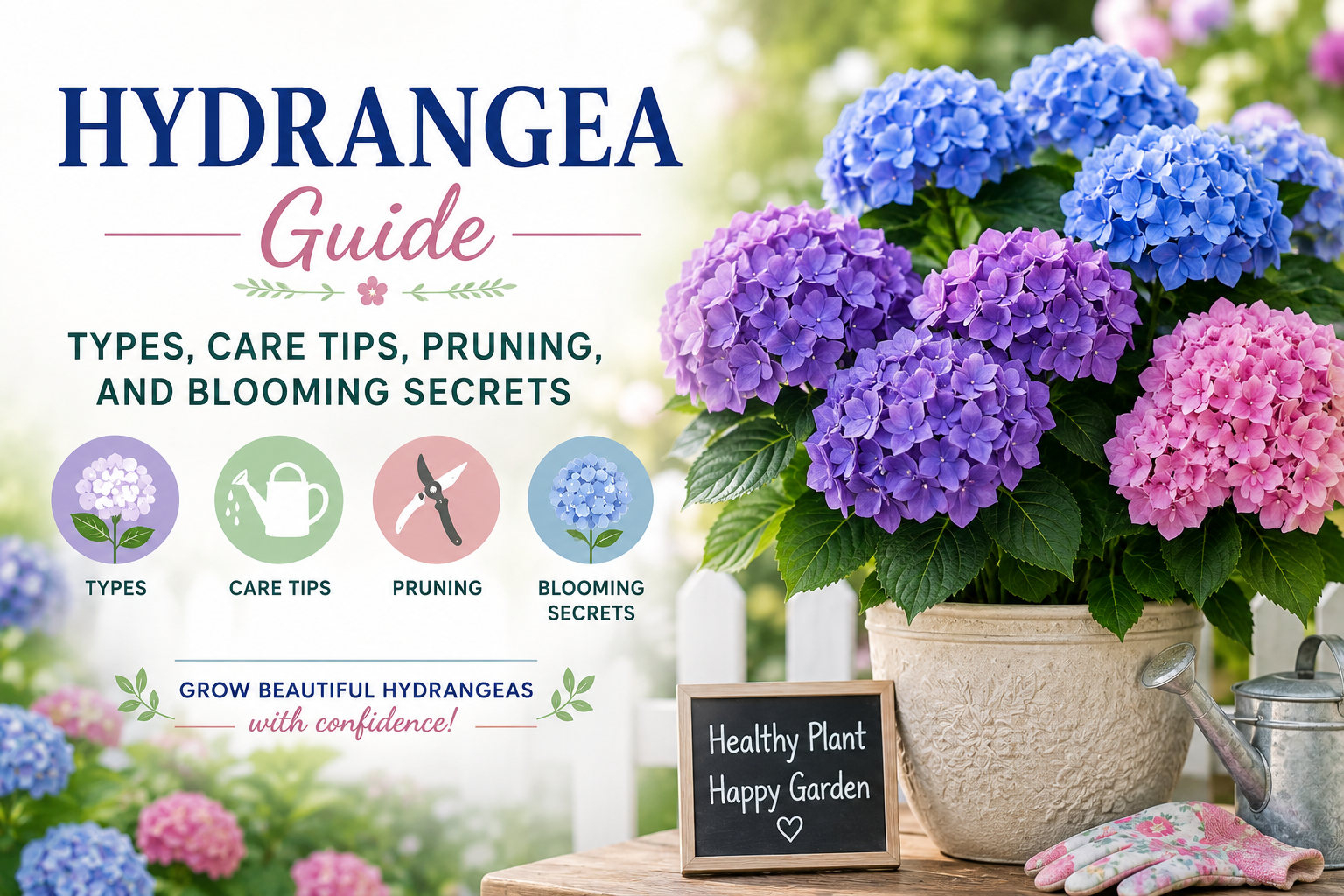
A hydrangea is a flowering shrub known for its large, colorful blooms and long-lasting garden appeal. Loved by gardeners worldwide, hydrangeas can produce spectacular flower clusters in shades of blue, pink, purple, white, and green, depending on the variety and growing conditions.
These versatile plants work beautifully in borders, foundation plantings, cottage gardens, and containers. Whether you’re planting your first hydrangea or looking to improve flowering performance, understanding the plant’s needs can help you enjoy healthier growth and more abundant blooms year after year.
What Is a Hydrangea?
Hydrangeas belong to the genus Hydrangea, which includes dozens of species and hundreds of cultivars. Most are deciduous shrubs, though some are climbers or evergreen varieties in specific climates.
The plant is valued for:
- Large ornamental flower heads
- Long blooming season
- Attractive foliage
- Adaptability to different garden styles
- Excellent cut and dried flowers
Key Characteristics
| Feature | Details |
|---|---|
| Botanical Name | Hydrangea spp. |
| Plant Type | Deciduous shrub (mostly) |
| Mature Height | 3–15 feet depending on variety |
| Bloom Time | Late spring through fall |
| Sun Requirements | Partial sun to full sun |
| Soil Preference | Moist, well-drained soil |
| USDA Hardiness | Typically Zones 3–9 (varies by species) |
| Flower Colors | Blue, pink, white, purple, green |
Popular Types of Hydrangea
Choosing the right variety is one of the most important decisions for successful growth.
1. Bigleaf Hydrangea (Hydrangea macrophylla)
The most recognizable type, famous for its blue and pink flowers.
Characteristics:
- Rounded flower clusters
- Color influenced by soil pH
- Prefers morning sun and afternoon shade
- Ideal for foundation plantings
2. Panicle Hydrangea (Hydrangea paniculata)
Known for exceptional hardiness and reliable blooming.
Characteristics:
- Cone-shaped flower clusters
- Tolerates more sun
- Flowers on new wood
- Excellent for colder climates
Popular varieties include:
- Limelight
- Bobo
- Pinky Winky
- Little Lime
3. Smooth Hydrangea (Hydrangea arborescens)
Native to North America and valued for dependable blooms.
Characteristics:
- Large white flower heads
- Cold-hardy
- Easy to maintain
- Blooms on new growth
4. Oakleaf Hydrangea (Hydrangea quercifolia)
Named for its oak-shaped leaves.
Characteristics:
- Outstanding fall color
- Cone-shaped flowers
- Peeling bark adds winter interest
- Native to the southeastern United States
Peace Lily Plant Care Guide: Growing, Watering, and Troubleshooting
5. Climbing Hydrangea (Hydrangea anomala subsp. petiolaris)
A vigorous vine that can cover walls and structures.
Characteristics:
- White lacecap flowers
- Self-clinging growth habit
- Slow to establish
- Long-lived plant
Hydrangea Variety Comparison
| Type | Flower Shape | Bloom Color | Sun Tolerance | Pruning Difficulty |
|---|---|---|---|---|
| Bigleaf | Round/Lacecap | Blue, Pink, Purple | Moderate | Moderate |
| Panicle | Cone | White to Pink | High | Easy |
| Smooth | Round | White | Moderate | Easy |
| Oakleaf | Cone | White | Moderate | Moderate |
| Climbing | Lacecap | White | Moderate | Easy |
How to Plant Hydrangea
Proper planting lays the foundation for years of healthy growth.
Best Time to Plant
| Season | Suitability |
|---|---|
| Spring | Excellent |
| Early Fall | Excellent |
| Summer | Possible with extra watering |
| Winter | Not recommended in cold climates |
Site Selection
Choose a location that offers:
- Morning sunlight
- Afternoon shade in hot climates
- Good air circulation
- Protection from strong winds
Step-by-Step Planting Guide
| Step | Action |
|---|---|
| 1 | Dig a hole twice as wide as the root ball |
| 2 | Loosen surrounding soil |
| 3 | Place plant at original nursery depth |
| 4 | Backfill with native soil |
| 5 | Water thoroughly |
| 6 | Apply mulch around base |
| 7 | Monitor moisture during establishment |
Understanding Hydrangea Flower Colors
One of the most fascinating aspects of hydrangeas is their ability to change color.
Why Color Changes Occur
In many bigleaf varieties, flower color depends on aluminum availability in the soil, which is influenced by soil pH.
Soil pH and Flower Color
| Soil pH | Typical Flower Color |
|---|---|
| Below 6.0 | Blue |
| 6.0–6.5 | Purple |
| Above 6.5 | Pink |
How to Make Flowers Blue
- Lower soil pH
- Apply aluminum sulfate
- Test soil annually
- Avoid excessive phosphorus fertilizers
How to Make Flowers Pink
- Raise soil pH using garden lime
- Reduce aluminum availability
- Monitor soil regularly
Important Note
White hydrangea varieties generally do not change color regardless of soil pH.
Hydrangea Care Guide
Proper care helps plants produce vigorous growth and abundant blooms.
Watering Requirements
Hydrangeas prefer consistently moist soil.
General Watering Schedule
| Plant Stage | Watering Frequency |
|---|---|
| Newly planted | 2–3 times weekly |
| Established | Once weekly |
| Hot weather | Increase as needed |
| Container-grown | Often daily in summer |
Signs of underwatering:
- Wilting leaves
- Drooping stems
- Reduced flowering
- Brown leaf edges
Mulching
Benefits include:
- Moisture retention
- Weed suppression
- Temperature regulation
- Improved soil health
Recommended mulch depth:
- 2–3 inches
- Keep mulch away from stems
Fertilizing Hydrangea
Balanced nutrition promotes healthy growth without excessive foliage.
Fertilizer Recommendations
| Fertilizer Type | Best Use |
|---|---|
| Balanced slow-release | General maintenance |
| Compost | Soil improvement |
| Organic fertilizer | Long-term feeding |
| Bloom booster | Flower enhancement |
Fertilizing Schedule
| Season | Recommendation |
|---|---|
| Early Spring | Main feeding |
| Late Spring | Optional light feeding |
| Summer | Avoid heavy fertilization |
| Fall | Generally unnecessary |
Overfertilizing can reduce flower production and increase weak growth.
How to Prune Hydrangea Correctly
Pruning mistakes are among the most common reasons for poor flowering.
Understanding Old Wood vs. New Wood
Some hydrangeas bloom on stems produced the previous year (old wood), while others bloom on current-season growth (new wood).
Pruning Guide by Type
| Type | Blooms On | When to Prune |
|---|---|---|
| Bigleaf | Old wood | After flowering |
| Oakleaf | Old wood | After flowering |
| Climbing | Old wood | After flowering |
| Panicle | New wood | Late winter |
| Smooth | New wood | Late winter |
Basic Pruning Steps
- Remove dead wood.
- Eliminate damaged branches.
- Improve airflow by thinning crowded stems.
- Avoid excessive cutting.
Common Hydrangea Problems and Solutions
Yellow Leaves
Possible causes:
- Poor drainage
- Nutrient deficiencies
- Overwatering
Brown Leaf Edges
Possible causes:
- Drought stress
- Excess heat
- Wind damage
Lack of Blooms
Common reasons:
- Improper pruning
- Winter damage
- Excess fertilizer
- Insufficient sunlight
Pest Issues
| Pest | Symptoms | Management |
|---|---|---|
| Aphids | Distorted growth | Insecticidal soap |
| Spider mites | Speckled leaves | Increase humidity |
| Scale insects | Sticky residue | Horticultural oil |
| Slugs | Chewed foliage | Physical barriers |
Disease Issues
| Disease | Symptoms | Prevention |
|---|---|---|
| Powdery mildew | White coating | Improve airflow |
| Leaf spot | Dark spots | Avoid overhead watering |
| Root rot | Wilting, decline | Improve drainage |
Growing Hydrangea in Containers
Container gardening allows hydrangeas to thrive in patios, balconies, and small spaces.
Container Requirements
| Feature | Recommendation |
|---|---|
| Pot Size | Minimum 18–24 inches |
| Drainage | Essential |
| Material | Ceramic, resin, or plastic |
| Soil | High-quality potting mix |
Best Container Varieties
- Bobo
- Little Lime
- Cityline series
- Tiny Tuff Stuff
- Fire Light Tidbit
Container Care Tips
- Water more frequently.
- Fertilize lightly.
- Protect roots in winter.
- Repot when rootbound.
Hydrangea Landscape Uses
Hydrangeas are highly versatile in garden design.
Best Applications
| Landscape Use | Benefits |
|---|---|
| Foundation plantings | Attractive structure |
| Mixed borders | Seasonal interest |
| Cottage gardens | Romantic appearance |
| Privacy screens | Dense growth |
| Container displays | Space-saving beauty |
| Woodland gardens | Shade tolerance |
Companion Plants
Good companions include:
- Hostas
- Ferns
- Astilbes
- Heucheras
- Japanese forest grass
- Boxwood
These plants enjoy similar growing conditions and complement hydrangea blooms beautifully.
Seasonal Hydrangea Care Calendar
| Season | Main Tasks |
|---|---|
| Spring | Fertilize, mulch, inspect for damage |
| Summer | Water deeply, deadhead if desired |
| Fall | Reduce watering gradually, prepare for winter |
| Winter | Protect vulnerable varieties |
Common Mistakes to Avoid
| Mistake | Why It Happens | How to Fix It |
|---|---|---|
| Pruning at the wrong time | Not knowing bloom type | Identify old-wood or new-wood variety |
| Overwatering | Assuming more water is always better | Check soil moisture before watering |
| Planting in deep shade | Poor site selection | Provide several hours of light daily |
| Excess fertilizer | Trying to increase blooms | Follow recommended feeding schedule |
| Poor drainage | Heavy soil conditions | Amend soil and improve drainage |
| Ignoring soil pH | Lack of soil testing | Test soil annually |
| Planting too close together | Underestimating mature size | Follow spacing guidelines |
| Removing winter buds | Overzealous pruning | Prune only when appropriate |
Expert Tips for Better Hydrangea Blooms
- Test soil pH every year if flower color matters.
- Water deeply rather than frequently.
- Apply mulch before summer heat arrives.
- Choose varieties suited to your climate zone.
- Protect flower buds from late spring frosts.
- Use compost annually to improve soil health.
- Avoid pruning unless you know your plant’s bloom habit.
- Plant where morning sun and afternoon shade are available.
- Inspect regularly for pests and disease.
- Replace old mulch annually to improve moisture retention.
FAQs
How often should I water a hydrangea?
Most established hydrangeas need deep watering about once per week, though hot weather may require additional irrigation. Newly planted shrubs need more frequent watering during establishment.
Why is my hydrangea not blooming?
Common causes include incorrect pruning, winter damage, excessive fertilizer, insufficient sunlight, or immature plants.
Can hydrangeas grow in full sun?
Some varieties, particularly panicle hydrangeas, tolerate full sun well. In hot climates, most hydrangeas perform better with afternoon shade.
How do I make hydrangea flowers blue?
Lower soil pH and increase aluminum availability using aluminum sulfate. Regular soil testing helps maintain the desired color.
Are hydrangeas toxic to pets?
Hydrangeas contain compounds that may be toxic if ingested by dogs, cats, and other animals. Keep pets from chewing leaves or flowers.
When should hydrangeas be pruned?
The timing depends on the species. Some bloom on old wood and should be pruned after flowering, while others bloom on new wood and can be pruned in late winter.
Can hydrangeas survive winter?
Most varieties are winter hardy within their recommended growing zones. Protection may be necessary in colder regions.
How long do hydrangea blooms last?
Individual blooms can remain attractive for several weeks to months, depending on weather conditions and variety.
Conclusion
Hydrangea is one of the most rewarding flowering shrubs for home gardens, offering stunning blooms, long-lasting beauty, and remarkable versatility. Success comes from choosing the right variety, planting in suitable conditions, watering consistently, and understanding proper pruning techniques. By matching care practices to the specific type you grow, you can enjoy healthier plants and spectacular flowers season after season. For the best results, start with a hydrangea variety suited to your climate and provide consistent care throughout the year.